What Happens If You Exceed Your PCP Mileage Allowance?
If you exceed your agreed PCP mileage allowance, you may have to pay an excess mileage charge when the vehicle...
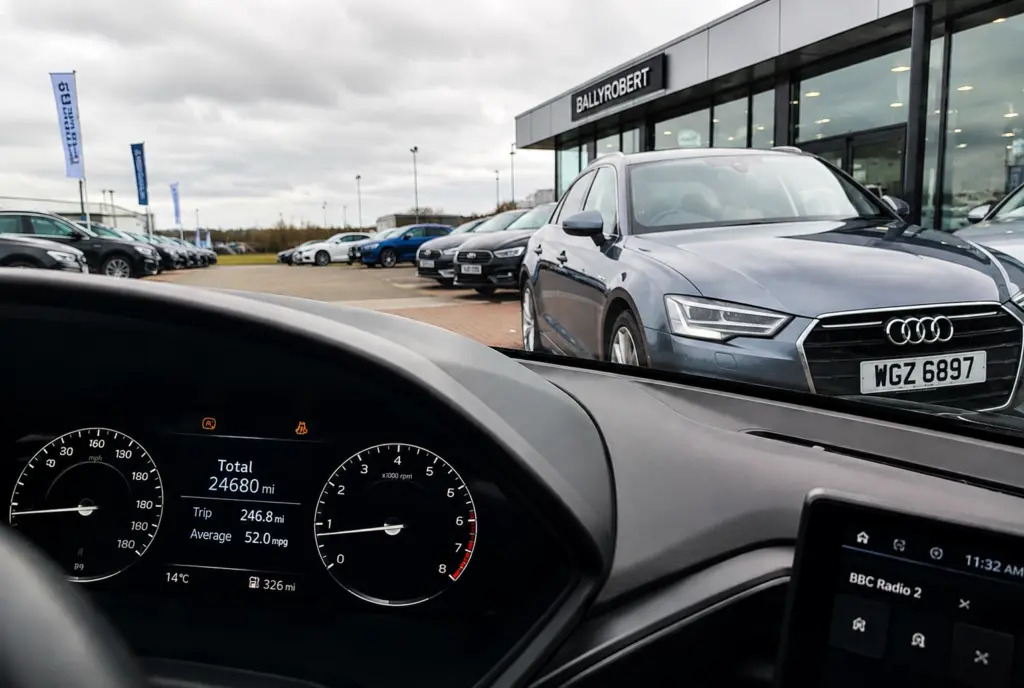
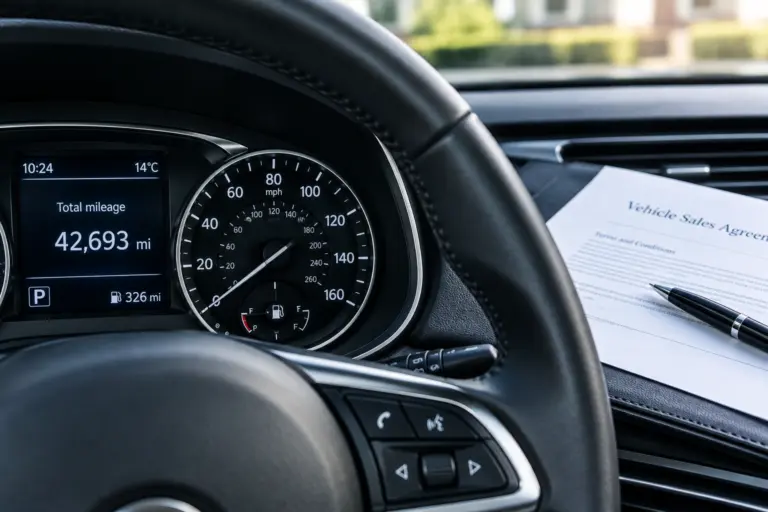
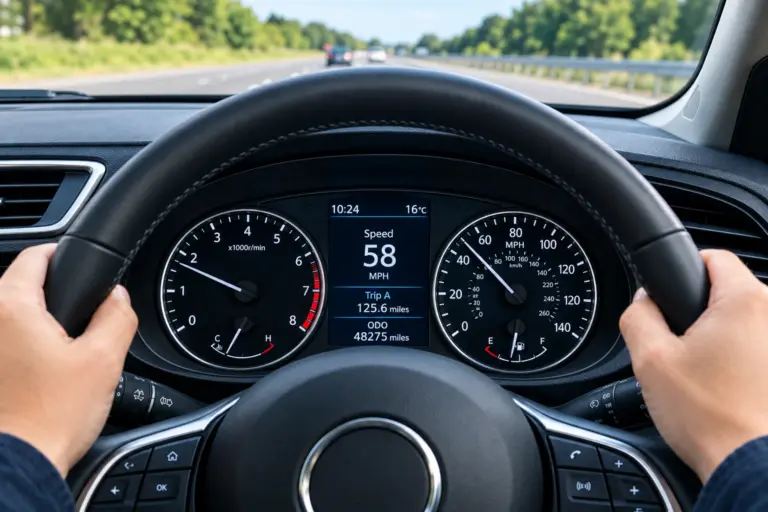
If you exceed your agreed PCP mileage allowance, you may have to pay an excess mileage charge when the vehicle is returned, depending on the terms of your finance agreement. The charge is usually based on the number of miles above your agreed allowance and the excess mileage rate stated in your contract.
Going over your mileage limit does not usually mean you have to return the car immediately. The important thing is to understand how much additional mileage you are likely to cover, what your agreement says about excess mileage, and what options your finance provider gives you.
What Happens When You Go Over Your PCP Mileage Allowance?
When you take out a Personal Contract Purchase (PCP) agreement, you agree to a mileage allowance for the contract. This is one of the factors used when the finance provider assesses the vehicle’s expected value at the end of the agreement.
For example, suppose your PCP agreement allows 30,000 miles over the contract, and you return the vehicle with 34,000 miles. You have driven 4,000 miles above the agreed allowance.
If your contract specifies an excess mileage rate of 10p per mile, the basic calculation would be:
4,000 excess miles × £0.10 = £400
The exact rate, calculation method and point at which the charge becomes payable depend on your finance agreement. Some agreements express the allowance annually, while others set a total mileage for the contract, so check your own paperwork rather than relying on a general figure.
What Are PCP Excess Mileage Charges?
PCP excess mileage charges are fees that can apply when a vehicle is returned with more mileage than the allowance agreed in the finance contract.
Excess mileage charges are different from changing a vehicle’s existing mileage record. If you want to understand that distinction, here is the clear difference between mileage blocker and mileage correction.
Mileage is important because a vehicle’s expected future value is considered when a PCP agreement is set up. A higher mileage generally reduces the expected value of a vehicle at the end of the agreement, which is one reason finance providers take the agreed mileage into account when setting the contract.
The excess mileage charge itself is not simply a calculation of the vehicle’s actual depreciation. It is a charge specified by the finance agreement.
The FCA also recognises excess mileage as a charge that can arise when a motor vehicle is returned at the end of a PCP agreement with mileage above the anticipated allowance.
How Are PCP Excess Mileage Charges Calculated?
The calculation is usually simple:
Extra miles driven × agreed excess mileage rate = excess mileage charge
For example:
- Agreed mileage: 10,000 miles
- Actual mileage: 12,000 miles
- Excess mileage: 2,000 miles
- Contractual excess rate: £0.10 per mile
2,000 × £0.10 = £200
So, based on those example figures, the excess mileage charge would be £200.
Your actual contract may use a different rate or calculation method. Some agreements may also set out how mileage is assessed if the agreement ends early, so always check the specific terms that apply to your PCP.
Is PCP Mileage an Annual or Total Allowance?
It depends on how your finance agreement is written. Many PCP agreements specify an annual mileage allowance, while the agreement may also make clear the total mileage expected over the full contract term. MoneyHelper notes that PCP agreements commonly set an annual mileage limit, with 10,000 miles being a typical example.
For example, a three-year agreement with a 10,000-mile annual allowance may have an expected total of 30,000 miles. However, you should use the figures and wording in your own agreement when working out whether you are likely to exceed the limit.
Can You Increase Your PCP Mileage Allowance?
Some finance providers may allow you to change your agreed mileage during the PCP, but this is not available on every agreement.
If your circumstances have changed and you expect to drive more than originally planned, contact your finance provider and ask whether the mileage allowance can be adjusted. If an adjustment is available, the provider can explain how it would affect your finance agreement and payments.
Do not assume that increasing the allowance is always possible or that it will produce the same result with every finance company. The terms of your individual agreement are what matter.
What If You Know You Will Exceed Your Mileage?
The best course of action depends on how much time remains on your PCP.
- If you still have a long time left: Contact your finance provider and explain that your expected mileage has increased. Ask whether your agreement can be adjusted and what the revised cost would be.
- If the agreement is nearing its end: Work out approximately how many miles you are likely to exceed and check the excess mileage rate in your contract. This gives you a better idea of the potential charge before the vehicle is returned.
- If your circumstances have changed: A longer commute, a new job, relocation, regular family journeys or increased leisure driving can all push your mileage above the original estimate. Reviewing the situation early gives you more time to understand your options.
The important thing is not to wait until the vehicle is being handed back before finding out what your agreement says.
Does Exceeding PCP Mileage Affect Returning the Car?
Exceeding the agreed mileage does not normally prevent you from returning the vehicle under the terms of the PCP agreement. However, an applicable excess mileage charge may be payable when the vehicle is returned.
Mileage is also separate from the vehicle’s condition.
When a PCP vehicle is handed back, the finance provider can assess issues such as damage and wear and tear separately from excess mileage. Your agreement or vehicle-return guidance will explain the standards that apply.
So there are potentially two different areas to consider:
- Excess mileage: how far the vehicle has travelled beyond the agreed allowance.
- Condition: whether the vehicle has damage beyond what is considered fair wear and tear.
Going over your mileage allowance does not automatically mean the vehicle has to be returned early.
Can You Keep the Car If You Exceed the Mileage?
Yes, you may still have the option to purchase the vehicle at the end of a PCP agreement by paying the optional final payment, subject to the terms of your contract. PCP agreements generally provide an option to return the vehicle or purchase it by paying the deferred amount.
If you purchase the vehicle rather than handing it back, the excess mileage charge that would normally apply to a returned vehicle may not apply in the same way.
However, do not assume this without checking your agreement. The exact options and amounts depend on the finance contract, so speak to the finance provider before making a decision.
What Should You Do If You Are Already Over Your PCP Mileage?
If your car has already exceeded the agreed mileage, start by finding out exactly where you stand.
1. Check Your Current Mileage
Compare the vehicle’s current mileage with the mileage allowance stated in your PCP agreement.
2. Work Out the Excess
Subtract the agreed mileage from the current mileage to see approximately how many miles you are over.
3. Check the Excess Mileage Rate
Look through your finance agreement for the charge per excess mile. Do not rely on a rate quoted for another finance provider or vehicle.
4. Contact Your Finance Provider
Ask what options are available under your specific agreement, particularly if there is still time remaining.
5. Consider Your End-of-Contract Options
Find out whether you are planning to return the car, purchase it, or move into another finance agreement. The financial implications can differ depending on what you choose.
There may not be a way to remove an excess mileage charge that is properly due under your contract, but understanding the position early can help you make a better-informed decision.
How to Avoid PCP Mileage Problems in the Future
The easiest way to avoid an unexpected excess mileage charge is to choose a realistic mileage allowance when taking out the PCP. Before signing an agreement:
- Estimate your actual annual driving, rather than using a convenient round number.
- Include commuting, family journeys, holidays and regular long-distance trips.
- Consider whether your job or living arrangements could change during the agreement.
- Check the total mileage allowance as well as the annual figure.
- Check the excess mileage rate before signing.
- Read the finance agreement rather than relying only on the advertised monthly payment.
MoneyHelper also recommends considering your expected mileage carefully when setting up a PCP because exceeding the agreed limit can result in additional charges.
If You Exceed Your PCP Mileage, Check the Agreement First
Exceeding your PCP mileage allowance does not normally mean you have to hand the car back immediately. The main financial issue is whether your vehicle exceeds the mileage allowed under the finance agreement and what excess mileage rate applies.
The calculation can be straightforward:
Excess miles × contractual rate = potential excess mileage charge
But the rate and terms are specific to your agreement. If you think you are going to exceed the allowance, check your finance documents and speak to your finance provider before the end of the contract.
That gives you a clearer view of the potential cost and lets you understand the options available to you before the vehicle is returned.
Useful Guidance
- For general information about PCP agreements, mileage limits and what to consider before signing a finance contract, see MoneyHelper’s PCP guidance.
- For information about PCP end-of-contract options and excess mileage, Volkswagen Financial Services’ end-of-agreement guidance provides an example of how one finance provider handles vehicle returns.
- For current UK consumer-protection guidance concerning misleading mileage information when selling a used vehicle, see the CMA’s guidance on unfair commercial practices. (GOV.UK)
Editorial Note: Finance terms vary between providers, so readers should always treat their own PCP agreement as the final reference for mileage allowances, excess charges and end-of-contract options.



Not sure which module fits your vehicle?
Use our vehicle finder or talk to our UK support team.