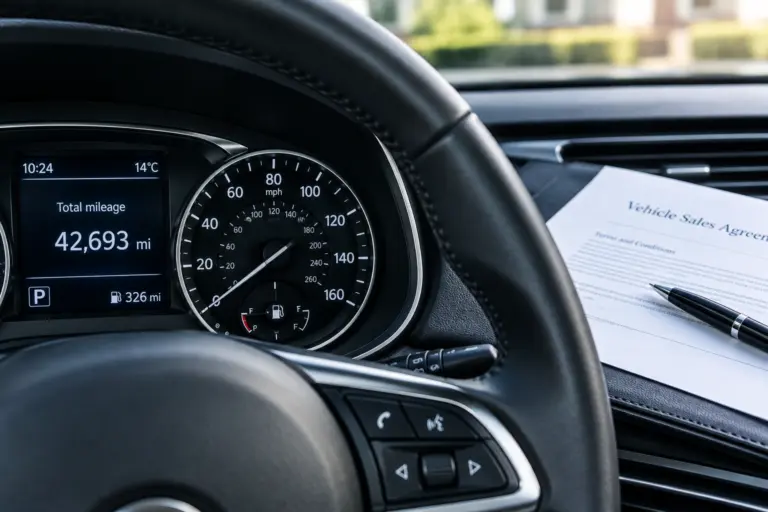
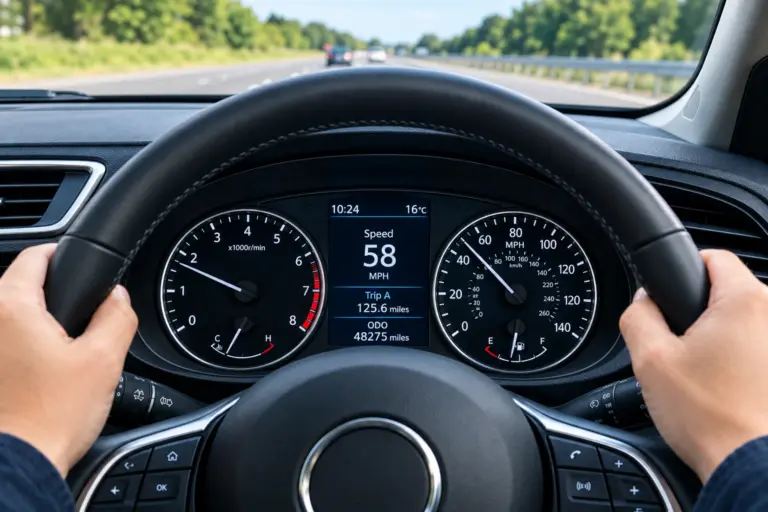
Mileage Blocker vs Mileage Correction: What’s the Difference?
A mileage blocker and mileage correction are two different processes that affect vehicle mileage in different ways. A mileage blocker...
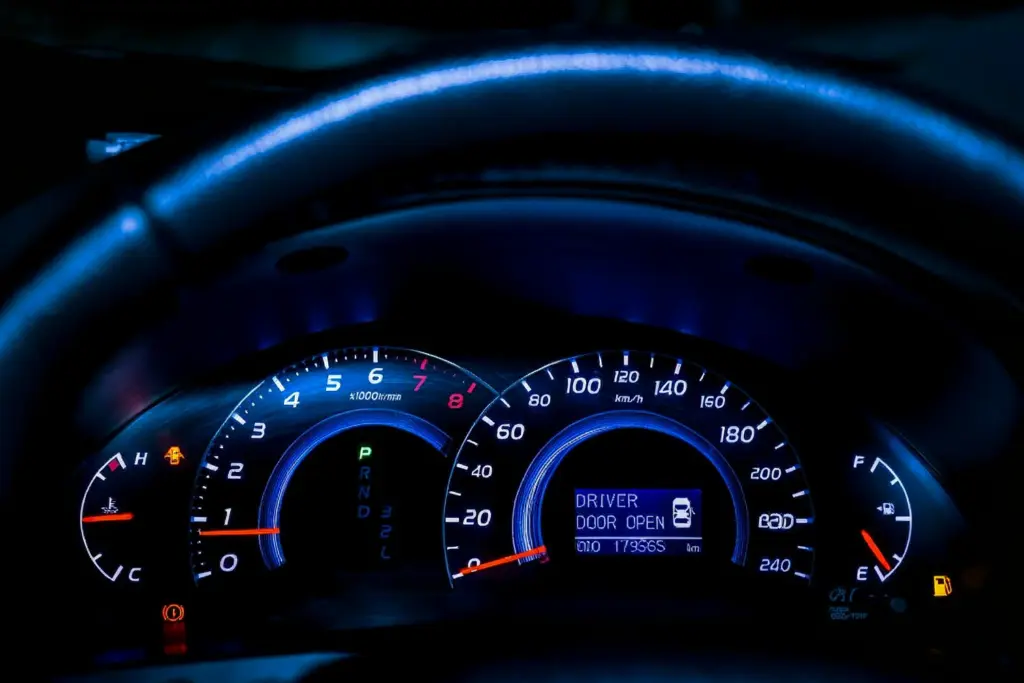
A mileage blocker and mileage correction are two different processes that affect vehicle mileage in different ways. A mileage blocker affects new mileage recording while the device is active, whereas mileage correction changes an existing mileage value already stored in the vehicle.
Understanding when each affects mileage is the key difference between the two.
Mileage Blocker vs Mileage Correction: The Main Difference
Here is the quick comparison of mileage blockers and mileage correction, highlighting the key differences in how each affects a vehicle’s recorded mileage:
- A mileage blocker controls new mileage recording only while the module is active, as it does not rewrite or change mileage already stored. Typical legitimate uses include controlled testing, diagnostics, development, and other permitted vehicle applications. If the vehicle is sold or transferred, its mileage must be represented accurately.
- Mileage correction changes an existing stored mileage value when an adjustment is made. Its legitimate purpose is to restore an accurate mileage record following a genuine discrepancy, such as an instrument-cluster replacement. Any correction should reflect the vehicle’s true mileage history and be properly documented.
How Does a Mileage Blocker Differ From Mileage Correction?
The main difference between a car mileage blocker and mileage correction is what part of the mileage record is affected.
A mileage blocker works while the vehicle is being operated. It is designed to control additional mileage recording while the module is active during its intended use.
Mileage correction works differently. It changes an existing mileage value that has already been stored within the vehicle system. In simple terms:
- A mileage blocker affects future mileage recording while active.
- Mileage correction affects an existing recorded mileage value.
The terms mileage freezer and odometer blocker are also commonly used when referring to mileage blockers, while mileage correction tools generally refer to equipment used to adjust stored mileage values.
Mileage Blocker vs Mileage Correction: What Happens to Recorded Mileage?
Another important difference is what happens to the vehicle’s recorded mileage.
A mileage blocker does not rewrite mileage that has already been recorded. It only affects mileage recording while the module is active. Once removed, the vehicle returns to its normal mileage recording operation.
Mileage correction changes an existing stored mileage value. This process is normally associated with situations where the displayed mileage no longer reflects the vehicle’s genuine mileage due to a legitimate reason, such as replacing certain electronic components.
The exact process can vary depending on the manufacturer and vehicle architecture because modern vehicles store and process mileage information differently.
Why Are Mileage Blockers and Mileage Correction Used?
Although both relate to vehicle mileage, they are designed for different situations.
1. Controlled Vehicle Applications
A mileage blocker may be relevant where a vehicle is being operated in a controlled environment and additional road mileage is not the measurement being evaluated. For example:
- Vehicle testing
- Development work
- Diagnostics
- Dyno sessions
- Private track or off-road applications
The important factor is that the mileage information should always be represented accurately when the vehicle is used, transferred or sold.
2. Genuine Mileage Correction Situations
Mileage correction may be required when the stored mileage no longer represents the vehicle’s actual mileage. Examples can include:
- Replacement Instrument Cluster: If an instrument cluster is replaced, the replacement unit may require programming to display the vehicle’s correct mileage.
- Electronic Module Replacement: Certain vehicle modules may require mileage synchronisation after replacement to maintain accurate vehicle records.
- Incorrect Stored Mileage: In some cases, an electronic fault or system issue can result in an incorrect displayed mileage that requires correction.
The purpose of mileage correction should always be restoring an accurate record, not creating a misleading mileage figure.
Mileage Correction vs Car Clocking
Mileage correction and car clocking are often confused because both involve changing a vehicle’s recorded mileage. The difference is the purpose and the accuracy of the resulting mileage.
Mileage correction aims to restore the correct mileage after a genuine discrepancy. On the other hand, car clocking involves reducing or altering the displayed mileage to make a vehicle appear to have travelled fewer miles than it actually has.
For example, correcting the mileage after replacing an instrument cluster so that it matches the vehicle’s genuine mileage is different from lowering the mileage before selling a vehicle to make it appear less used.
The important factor is whether the mileage shown represents the vehicle’s true history.
Mileage Blockers, Mileage Correction and Legal Use
The device itself does not determine whether mileage use is lawful. The key consideration is how the resulting mileage information is represented.
Using technology in a way that intentionally misrepresents a vehicle’s true mileage history can create serious consumer and legal issues.
For vehicle owners and businesses, accurate mileage records and transparent vehicle history are essential when a vehicle is sold, transferred, or presented for official purposes.
A mileage blocker should therefore only be used for its intended controlled applications, and any mileage discrepancy should be disclosed appropriately.
Mileage Blocker vs Mileage Correction: Final Verdict
A mileage blocker and mileage correction serve different purposes.
A mileage blocker controls new mileage recording while the module is active. It does not change mileage that has already been stored in the vehicle. Mileage correction changes an existing recorded mileage value where a genuine correction is required.
The difference comes down to what is being changed:
- Mileage blocker → controls mileage recording during operation.
- Mileage correction → adjusts an existing recorded mileage value.
Understanding this difference helps vehicle owners choose the correct solution and maintain accurate mileage information.



Not sure which module fits your vehicle?
Use our vehicle finder or talk to our UK support team.